Judge Edelstein’s Reported Omission of Being a Party to a $135 Million RICO Lawsuit Should Disqualify Her from Arizona Court of Appeals
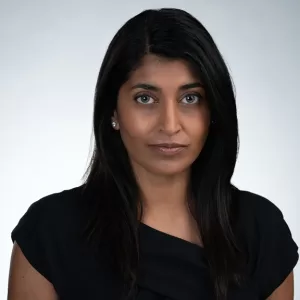
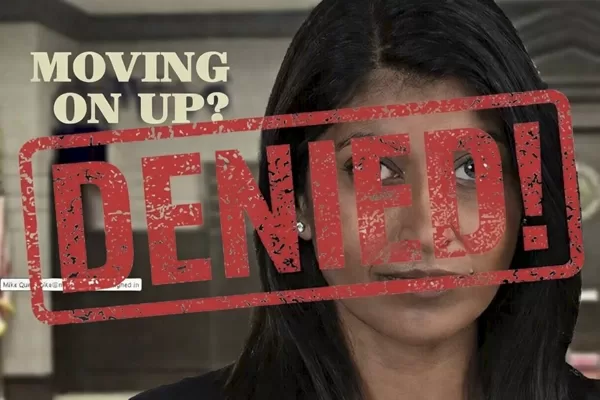
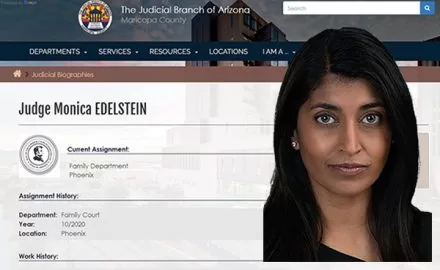
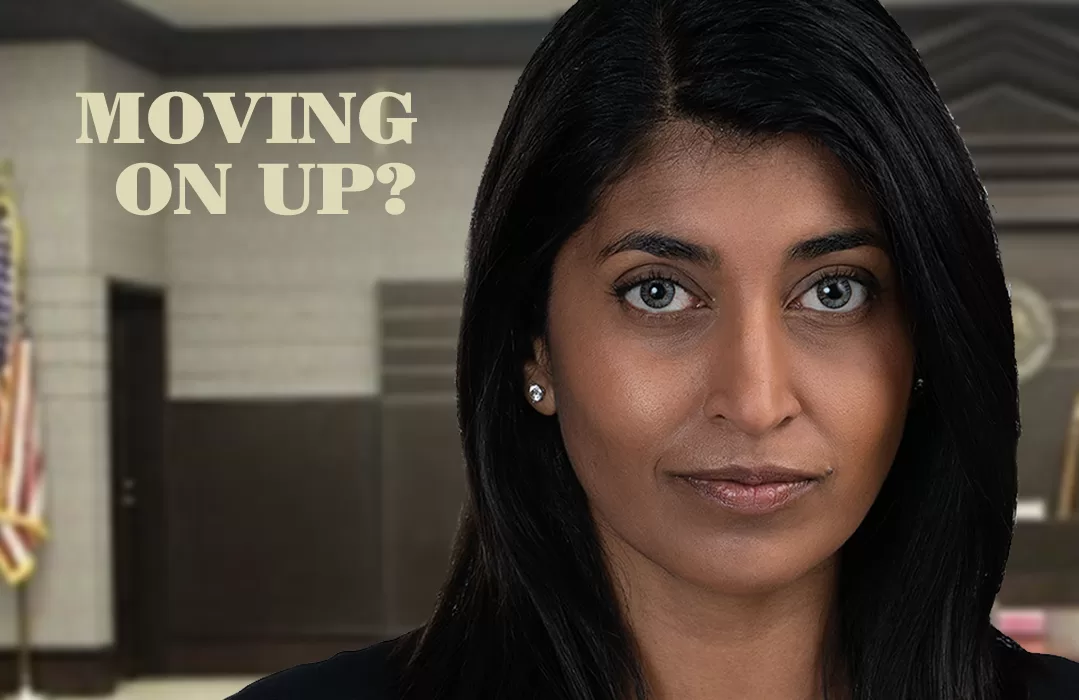
Meet Monica Narla Bellapravalu Edelstein. If her name sounds familiar, it should. For years, she has been a central figure in multiple US~Observer investigations examining prosecutorial conduct, judicial decision-making, and the broader failures within our justice system. With over three decades dedicated to uncovering government overreach and exposing official misconduct, the US~Observer has documented numerous cases that raise serious questions about how power is used—and misused. Edelstein’s career has increasingly placed her in the spotlight of those concerns, becoming, for many readers, another example of what can happen when too much authority is entrusted to too few people with too little oversight. Now a Maricopa County Superior Court judge, Edelstein has her sights set even higher — applying for a seat on the Arizona Court of Appeals to replace retiring Judge Paul McMurdie. But before anyone even thinks of elevating her, there’s something the public deserves to know.
In her 72-page judicial application — filed on November 12, 2025 — Edelstein managed to omit a rather significant detail: she is a named defendant in a $135 million federal RICO lawsuit. Not a witness. Not a peripheral figure. A party to the suit. Anyone who has ever been involved in a court case understands what that means. You’re either a plaintiff, a defendant, a petitioner, or a respondent. There’s no wiggle room, no “I didn’t think it counted,” and certainly no excuse for pretending it doesn’t exist. Yet, that’s exactly what Edelstein did.
Arizona’s judicial nominating rules require full disclosure of a candidate’s litigation history. Not partial disclosure. Full. In fact, Edelstein’s alleged deliberate nondisclosure so blatantly violates Arizona Judicial Nominating Commission rules requiring full litigation history, breaching ethical standards like ER 3.3 (prohibiting false statements or omissions) it potentially constitutes fraud under A.R.S. § 13-2310 or perjury via A.R.S. § 13-2702. Her alleged obfuscation signals a willingness to hide, mislead, and manipulate. Sound familiar? It should. It’s the same pattern Michael Quiel says he endured at her hands when she was an Assistant United States Attorney.
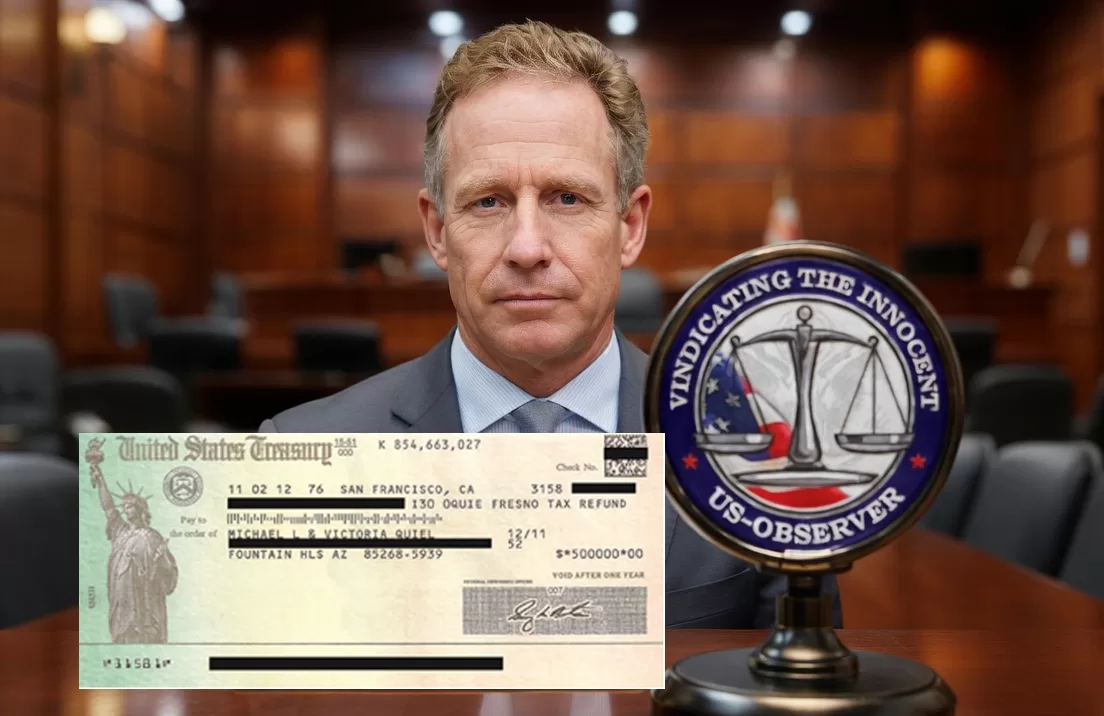
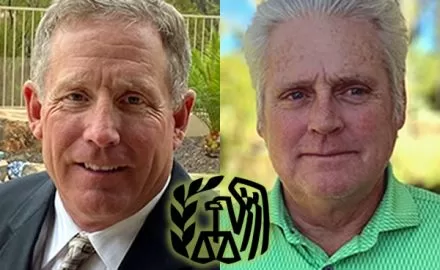
As a prosecutor, Edelstein was named in Quiel’s 2022 federal RICO complaint (Case No. 2:22-cv-02175), alongside former AUSA Timothy Stockwell, IRS Agent Cheryl Bradley, and disbarred attorney-turned-serial-scammer Christopher Rusch—now calling himself Christian Reeves. The suit alleged malicious prosecution, abuse of process, tortious interference, and full-blown RICO violations. The narrative painted by Quiel and supported by volumes of evidence was damning: Edelstein allegedly orchestrated perjured testimony, withheld IRS master files that proved Quiel owed no taxes, and pushed a fabricated storyline about Swiss bank accounts that he never owned.
The case was dismissed in 2024 on immunity grounds — a technical shield that protects prosecutors from civil liability. But immunity does not erase the fact that she was a defendant. And it certainly doesn’t erase the moral obligation to disclose it when applying for a promotion. Her failure to do so is a severe breach of trust, and it should disqualify her from judicial advancement entirely.
Worse still, her alleged misconduct didn’t stop when she traded her prosecutor’s badge for a judge’s robe. Since 2020, complaints have piled up. The Robing Room — where litigants anonymously review judges — reads like a warning label. “Doesn’t know family law.” “Hostile to pro se litigants.” “Biased toward attorneys.” “Incompetent.” Even Arizona’s own Judicial Performance Review reflected a “did not meet standards” vote in family court evaluations. Meanwhile, parents across social media share stories of questionable rulings, unexplained removals of children, and courtrooms where fairness appears optional.
And then came the blow that should have ended any debate about Quiel’s innocence: a unanimous federal jury verdict in 2024. Eight jurors took just four hours to declare that the Swiss accounts the government prosecuted him over were never his. They hugged him in the hallway afterward — moved by the injustice they had just witnessed. The entire case Edelstein built collapsed under the weight of truth. The withheld evidence, the false narrative, the perjured testimony — it all came into focus.
Yet there Edelstein sits. On the bench. Seeking elevation.
Governor Katie Hobbs now stands where Governor Doug Ducey once did — with a choice to make. Ducey’s appointment of Edelstein was a mistake rooted in surface-level credentials and conviction numbers that masked what Quiel and others insist was blatant misconduct. Hobbs has the opportunity to correct that mistake, not compound it. At a minimum, voters should remember Edelstein’s track record when her 2026 retention election comes around.
Arizona taxpayers deserve better. They deserve judges who disclose their history, not hide it; who uphold the law, not twist it; who serve justice, not themselves.
The US~Observer will continue doing what it has always done — pulling back the curtain on corruption no matter how high up the ladder it sits.
Stay tuned. We’re not done.
And don’t forget to read our previous article: “Becoming a Judge by Convicting the Innocent.”